Fed Minutes Show Support for More Rate Hikes, Concern Over AI's Impact on Inflation
Central bank officials chose to wait for more data in October, but are already discussing a larger hike in December
By AmeriNews Newsroom ·
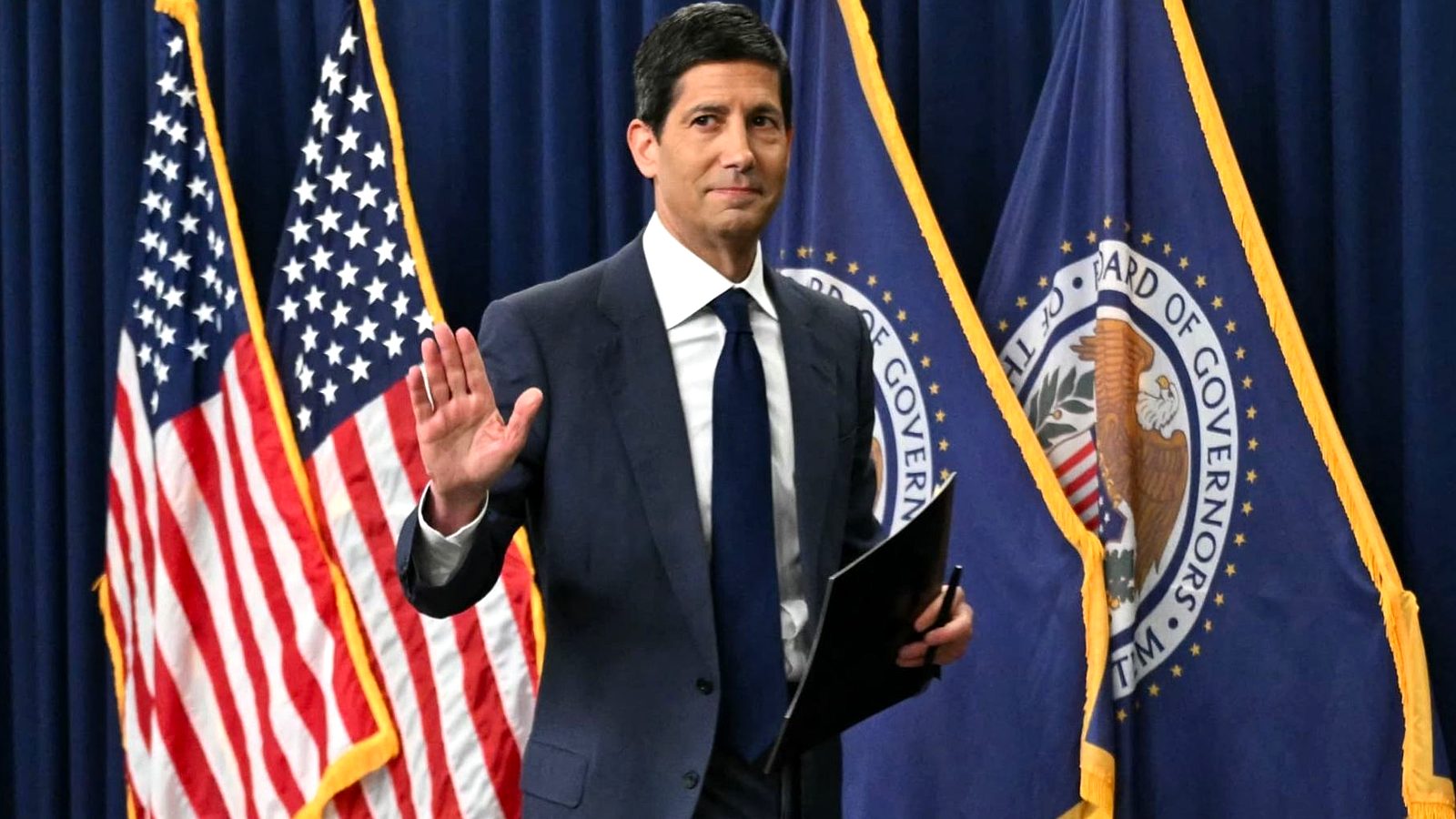
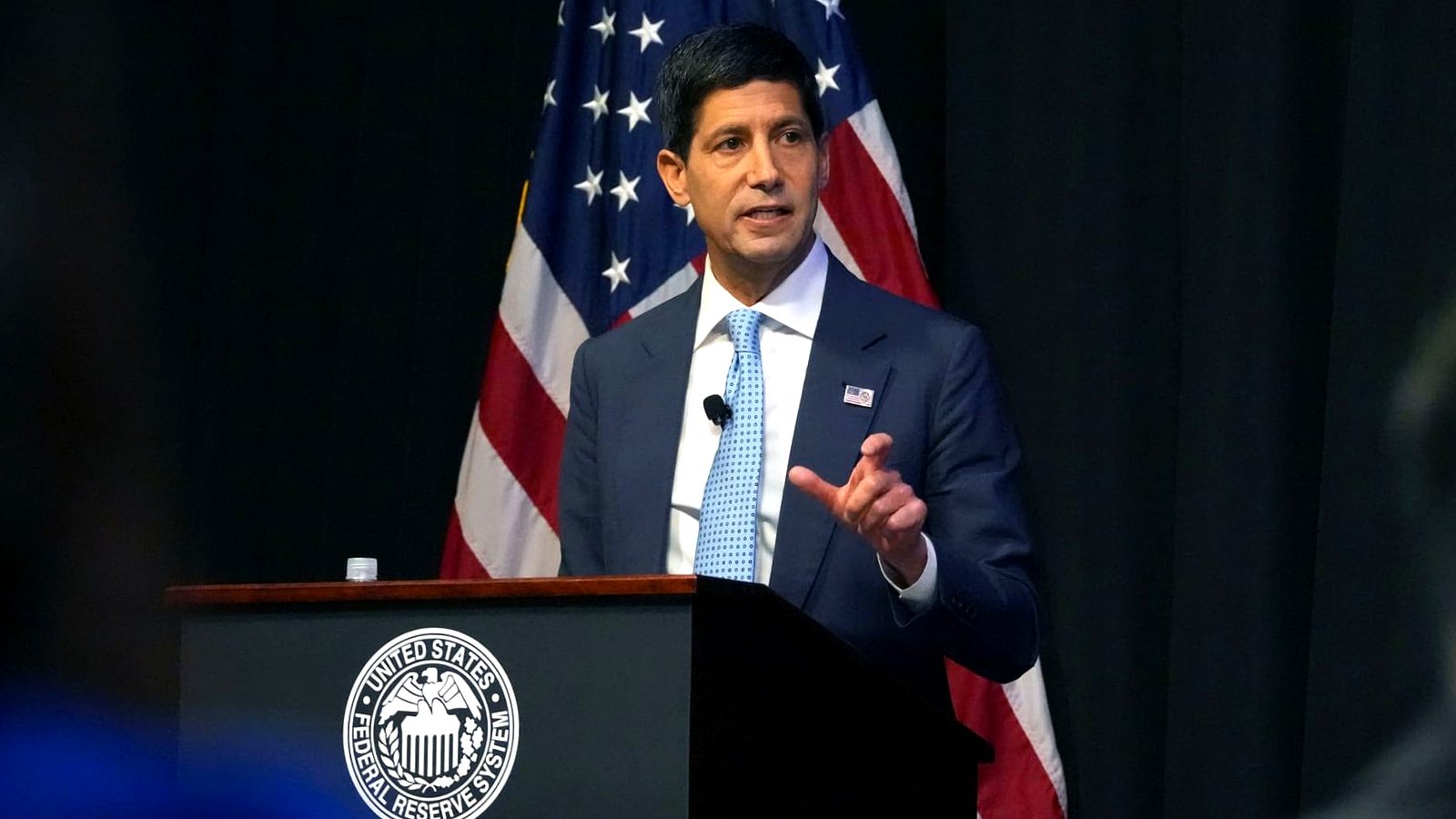
The minutes from the Federal Reserve's October meeting, released this Wednesday, revealed that U.S. central bank officials are confident that further interest rate hikes will be necessary to contain inflation, even though they decided to wait for more information before acting.
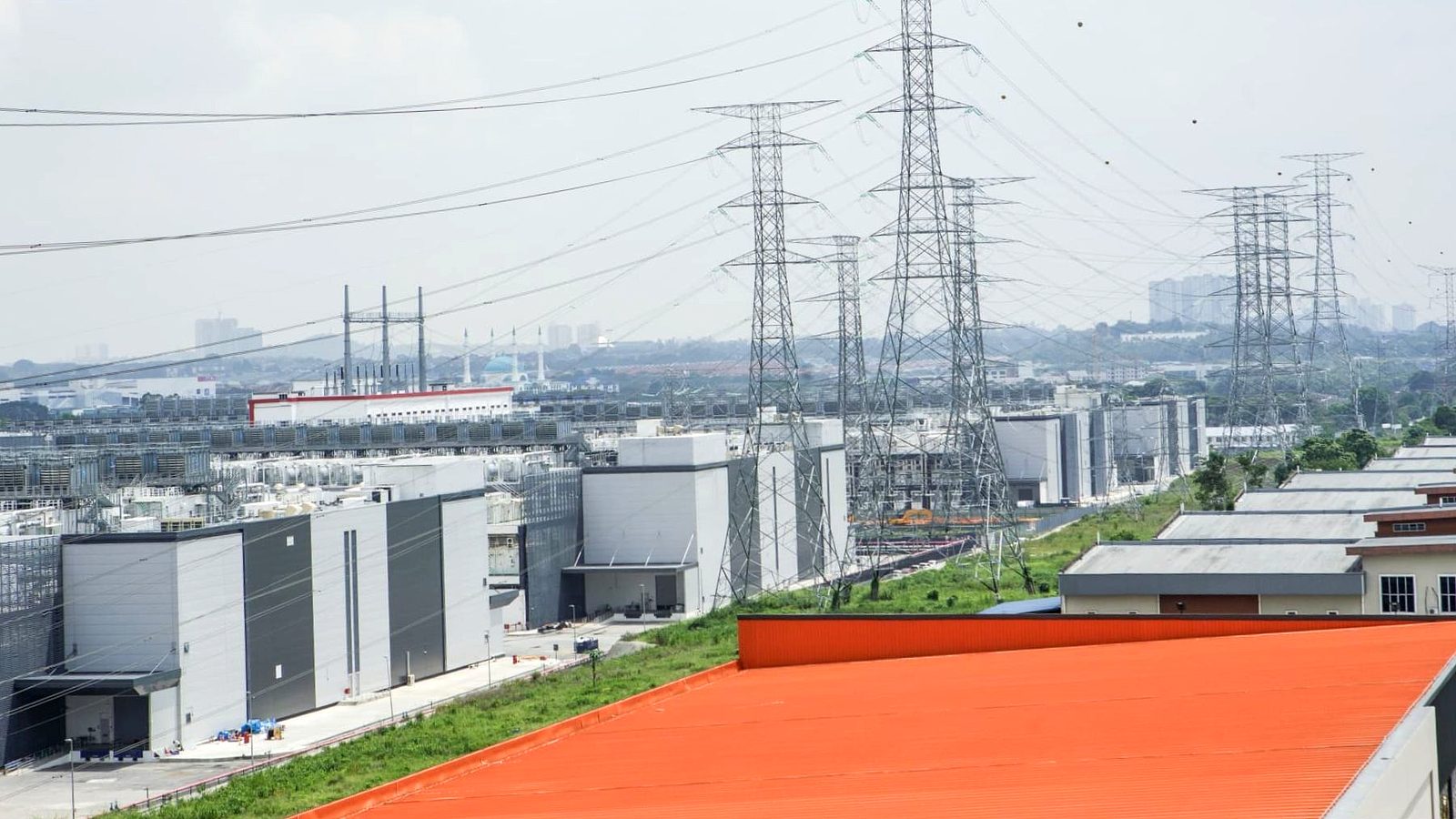
One of the central points of discussion was artificial intelligence. Policymakers indicated that demand tied to the technology represented "a material source of inflationary risk."
Widespread Pressures
More broadly, officials stated that "inflationary pressures in the economy were widespread" and would justify some action. According to the document, "some" committee members advocated for a quarter-point increase at that meeting itself. Two participants went so far as to mention the possibility of a larger hike at the next monetary policy meeting in December.
The meeting summary noted that "almost all participants judged that, under their baseline outlooks for inflation and the labor market, further actions to raise the target range for the benchmark interest rate ... would likely be appropriate, to ensure a timely return of inflation to the 2% target."
Waller Backs Half-Point Hike
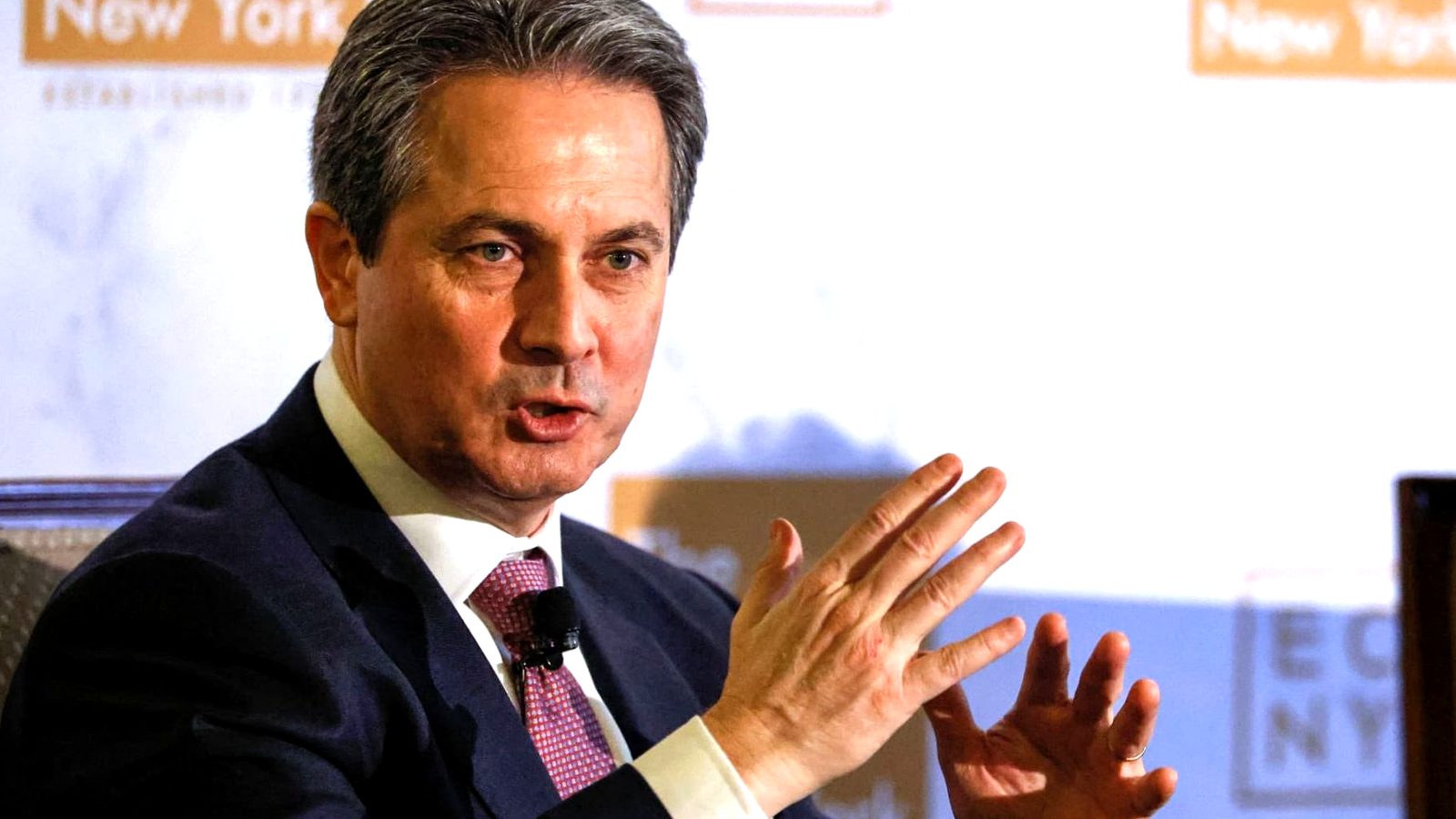
In an interview with CNBC this Wednesday, Fed Governor Christopher Waller reaffirmed his view that the Federal Open Market Committee should consider a half-point increase in December.
The content of the minutes reinforces the reading that the U.S. monetary tightening cycle is not yet over, even against a backdrop in which technology is now being treated as a relevant variable for price projections. The explicit mention of artificial intelligence as a source of inflationary risk suggests the Fed is beginning to incorporate, more systematically, the effects of demand for technological infrastructure on costs and investment in the American economy.