St. Louis Fed Chief Backs Up to Four More Rate Hikes
Alberto Musalem says the real interest rate remains far from the level needed to bring inflation to 2% by spring 2027
By AmeriNews Newsroom ·
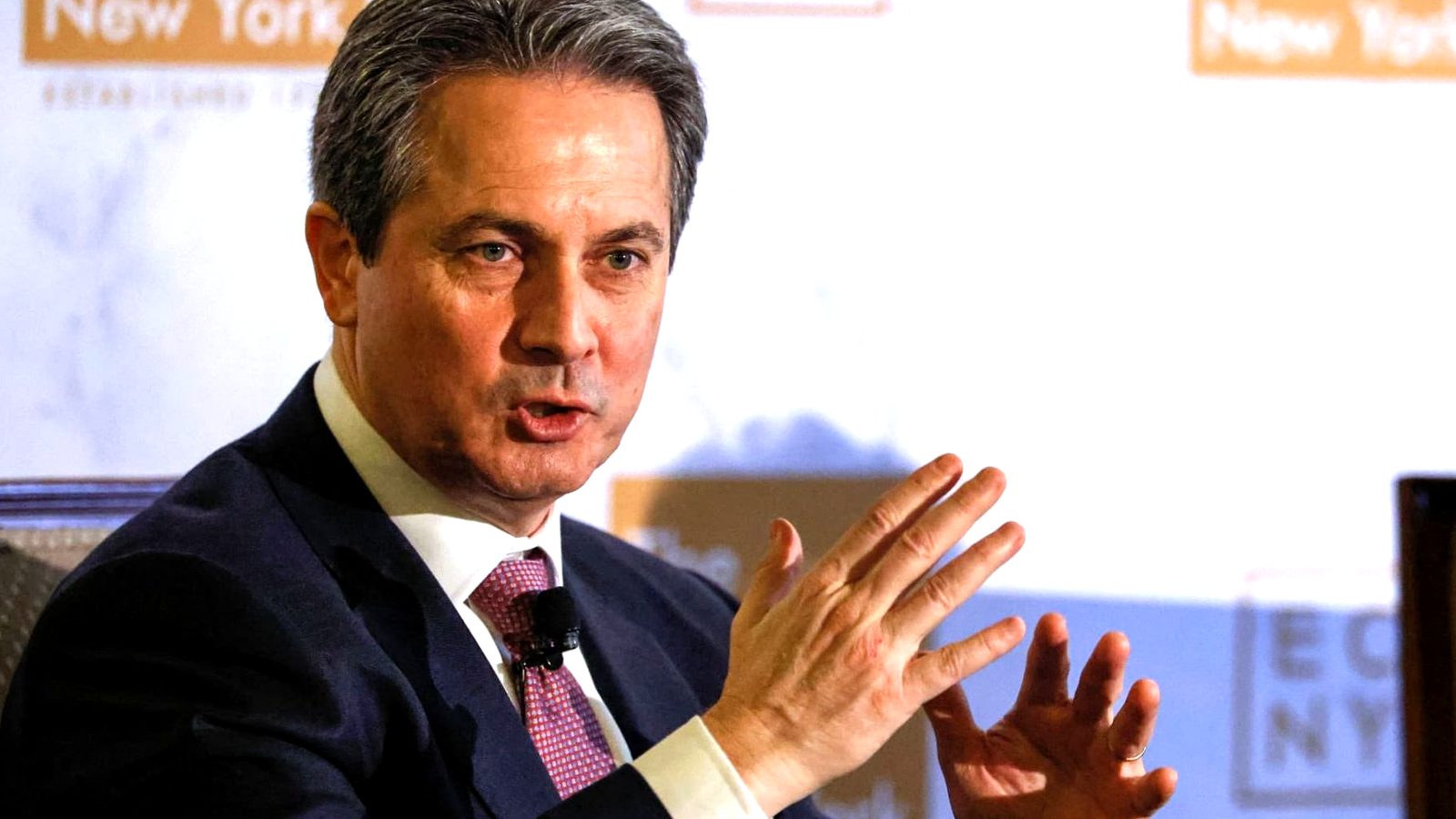
St. Louis Federal Reserve President Alberto Musalem said on Tuesday that the U.S. central bank may need to carry out as many as four interest rate hikes in the coming months, in one of the firmest positions yet voiced by a Fed official on fighting inflation.
In a speech delivered in Argentina, Musalem argued that current monetary policy is not significantly restraining economic activity. "The economy will likely need several interest rate increases before spring 2027 to reach the 2% inflation target in a timely manner," he said.
Real rate still far from target
According to the official, the real interest rate — the Fed's target rate adjusted for inflation — needs to be between 2% and 2.5% by next spring. He estimated that the current level is about one percentage point below that range, suggesting the possibility of hikes at each of the next Federal Open Market Committee meetings, scheduled for December, January, March and April.
Musalem does not have a vote on the committee during the period in which he foresees the need for these increases, since his next vote will not come until 2028. Even so, he takes part in the discussions and contributes his projections to the so-called "dot plot," the chart that compiles Fed members' individual expectations for interest rates.
Alternative scenario seen as unlikely
The official acknowledged there is "an unlikely but still plausible scenario" in which no further hikes would be needed. According to him, a drop in energy prices and shipping costs, or an increase in the economy's potential growth driven by higher productivity, could ease inflationary pressures and bring inflation to target within 18 months. Another possibility he cited was a slowdown in demand if spending on artificial intelligence loses momentum.
Musalem, however, considers it more likely that "persistently strong demand and ongoing supply pressures" will combine to keep inflation above the Fed's 2% target, which would require further increases in the benchmark interest rate, currently between 3.75% and 4%.
"It would be preferable for a higher real interest rate to come about in a balanced way, driven by both falling inflation and a higher nominal rate," he said. "However, the nominal interest rate may need to do most of the work."
Musalem's remarks reinforce a more cautious tone within the Fed regarding the pace of disinflation in the United States. If the official's view prevails among other committee members, markets may need to recalibrate expectations about the cost of credit throughout 2027, with potential effects on investment and consumption outside the country as well.