US Imposes Licensing Requirement for AI Chip Sales to Southeast Asian Data Centers
New Commerce Department rule targets facilities in Singapore, Malaysia, Thailand and Indonesia, aiming at the region's role in supplying computing power to Chinese companies
By AmeriNews Newsroom ·
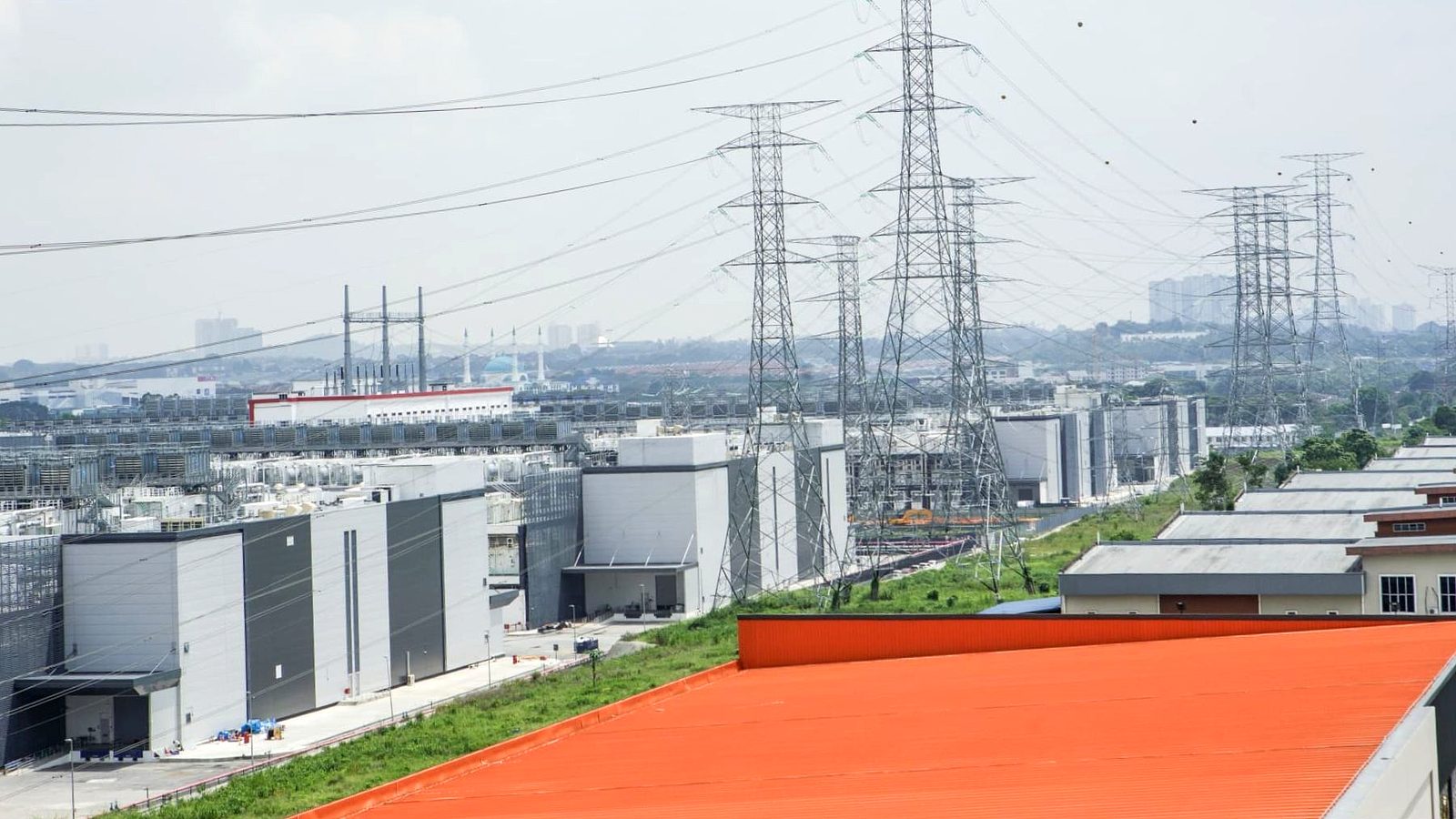
The United States government has begun requiring a license for the sale of advanced artificial intelligence chips to data centers in four Southeast Asian countries, a move that could slow the pace of the sector's expansion in the region.
Commerce Department's interim rule
According to an interim rule issued by the Department of Commerce on Monday, facilities in Singapore, Malaysia, Thailand and Indonesia will need authorization from the US government to purchase cutting-edge semiconductors intended for artificial intelligence, including models manufactured by Nvidia.
Under the rule, data centers that already serve major Chinese clients will have a 90-day window to apply for the license. Those who fail to do so within that period could face additional export restrictions in the future.
Expansion tied to Chinese demand
Southeast Asia has seen strong growth in recent years in the construction of data centers designed to house the semiconductors used in training and developing artificial intelligence models.
Restrictions already imposed by the United States on China's access to Nvidia's most advanced chips have led Chinese tech companies, including Alibaba Group and ByteDance, to rent processing capacity at data centers outside the country. Estimates released in October by the Institute for Progress, a Washington think tank, indicate that about 75% of China's AI computing capacity contracted abroad is expected to be concentrated in Southeast Asia by the end of 2026.
Experts react
Jessica Brandt, a senior fellow for technology and national security at the Council on Foreign Relations, said the new restrictions are likely to make building and operating these data centers "slower and more expensive." According to her, the rules could also undermine the business model of so-called neoclouds — newer cloud providers focused specifically on artificial intelligence computing — operating in the region.
Reema Bhattacharya, head of Asia research at risk consultancy Verisk Maplecroft, said she expects data center operators to now face stricter regulatory and national security requirements.
The episode underscores how the race for access to advanced AI chips extends beyond the borders of the United States and China, directly affecting Asian economies that had been attracting significant volumes of investment tied to artificial intelligence infrastructure. Tighter regulatory scrutiny of these projects tends to raise costs and timelines, potentially moderating the pace of new investment in the sector in coming quarters.