'Hazara Town' Portrays Afghan Refugee Family in Limbo in Pakistan
Director Khadim Dai's documentary, screened in the IDFA festival competition, follows the filmmaker's own relatives as they await asylum and dream of reuniting with a brother already settled in Canada
By AmeriNews Newsroom ·
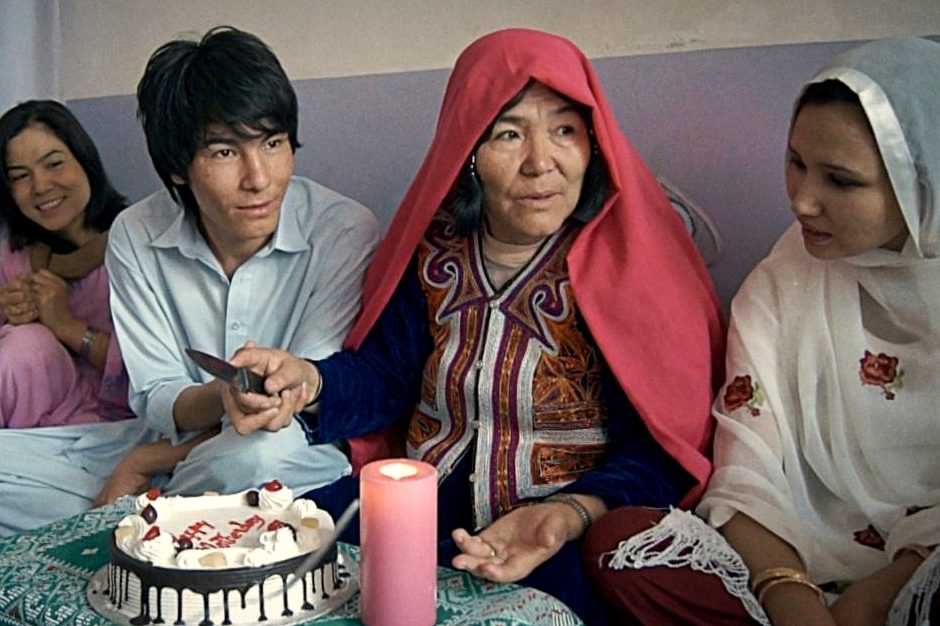
The documentary 'Hazara Town,' directed by Khadim Dai and screened in the IDFA festival competition, follows the filmmaker's own family amid an indefinite wait for asylum after they left Afghanistan for the Pakistani city of Quetta.
A Family Divided by Distance
The film, Dai's first in documentary-fiction format, centers on his sister-in-law Sedeqa, his nieces Machid and Mitra, and the girls' grandparents, all sheltering in the Hazara Town neighborhood, home to more than 500,000 people of Hazara ethnicity. Meanwhile, the director's brother, Hussain, has moved further along in the asylum process and is starting a new life in Canada. Reuniting the family, however, depends on a slow and selective immigration process: young Mitra retains almost no memories of her father at home, and video calls fill only part of that absence.
Returning to Pakistan years after his own departure, Dai moves into the family home and captures both the intimate routine of a fragmented family unit and the climate of fear experienced by the Hazara community, which faces ethnic and religious persecution on Pakistani soil as well. The film notes the rising death toll associated with this persecution, occasionally displayed on screen without further comment.
The Cemetery as a Gathering Place
Dai's camera avoids any scenes of violence and devotes considerable time to the local cemetery, where the dead are buried with little ceremony and portraits are temporarily displayed as memorials. The sound design sets the desert wind against the constant noise of stonemasons carving headstones. Even so, the space also emerges as a meeting point: in some of the film's most moving scenes, children play and talk among the graves.
The family home, with its modest inner courtyard and few windows to the outside world, emerges as the safest refuge in an existence marked by the lack of formal belonging to any country. Machid and Mitra attend school, but classroom freedom narrows as Pakistan shifts responsibility for refugee education to the Taliban. It is within the home that the girls develop their personalities: Machid, a voracious reader of Judy Blume, dreams of educational opportunities in the United States, while the rest of the family pins its hopes on Canada, fueled by Hussain's videos about the new culture and climate there.
Good immigration news arrives, but not for everyone, further fracturing the group. Dai records each departure through the taxi's rear window, sprinkled with a bucket of water for good luck, the droplets blurring the last glimpse of those left behind. Also serving as cinematographer, the director films these everyday moments with tenderness, composing a portrait that moves beyond the diaristic and gives presence to lives often reduced to statistics. Without offering a definitive resolution, 'Hazara Town' still finds a brief reunion before life once again scatters the family in different directions.