Fed Sees AI Revolution Approaching and Still Doesn't Know What It Means for Interest Rates
Kevin Warsh brought together economists and tech executives in San Francisco to discuss AI's effects on jobs, prices and monetary policy
By AmeriNews Newsroom ·
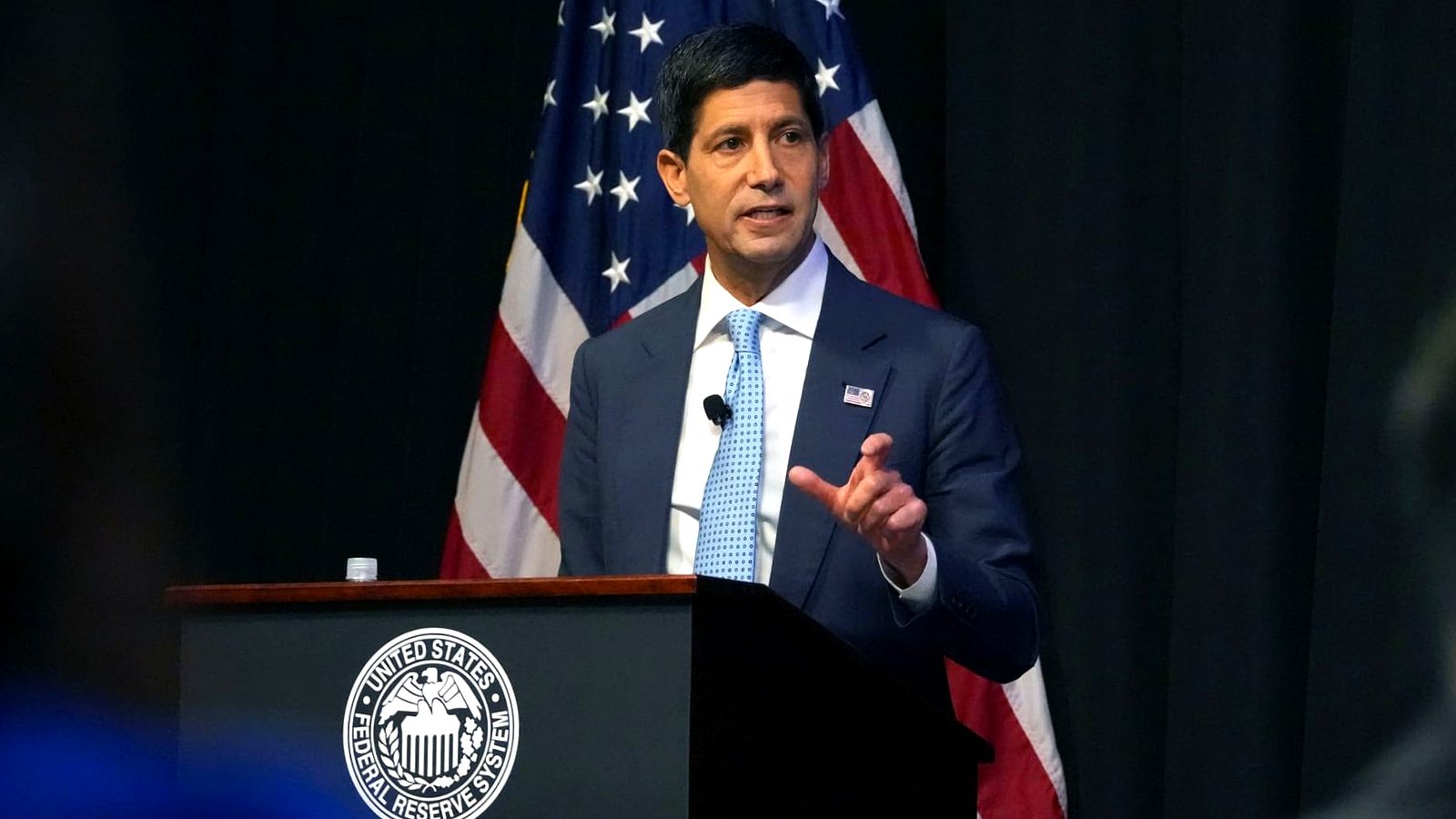
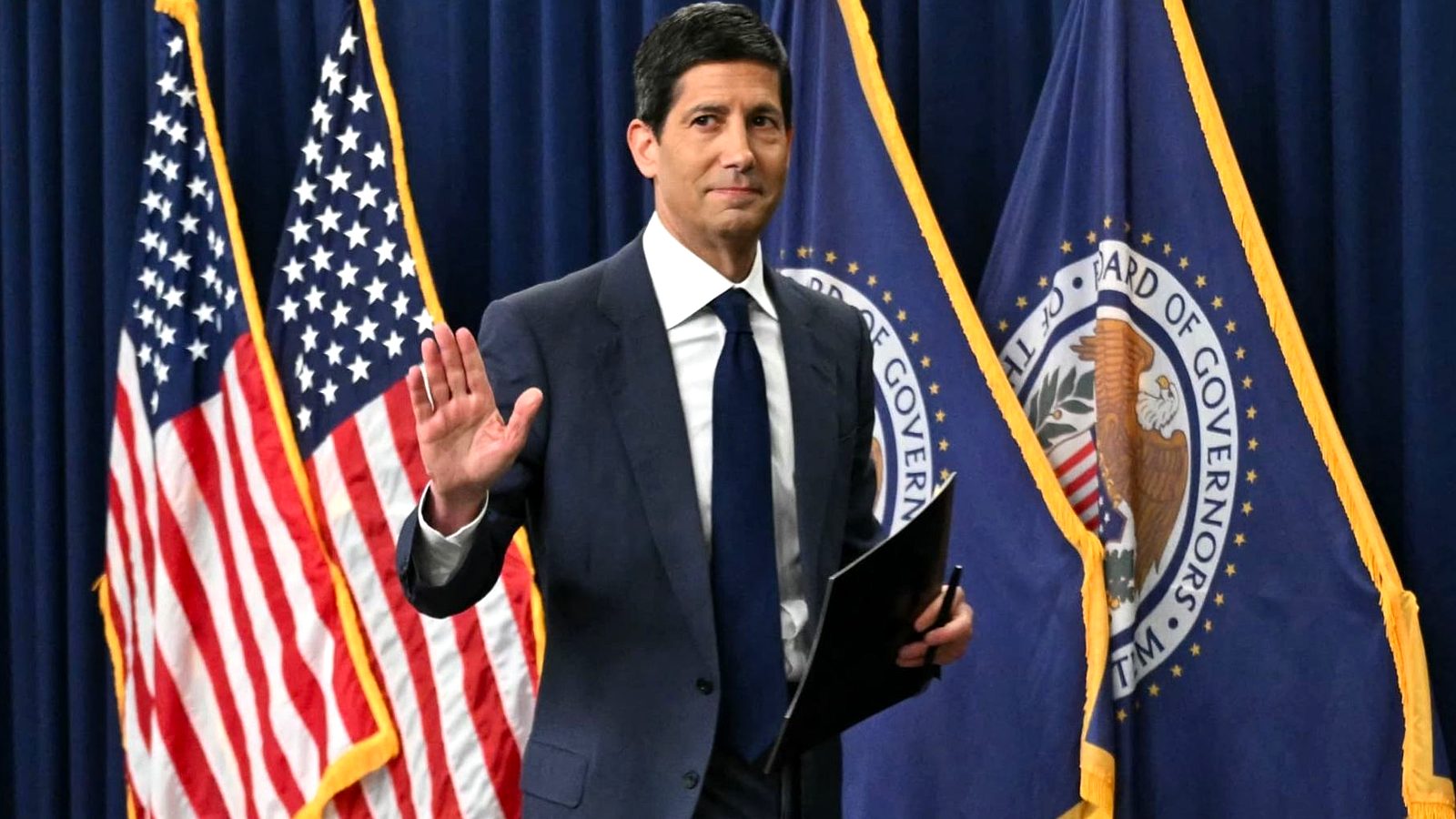
Federal Reserve Chair Kevin Warsh brought together economists and technology executives in San Francisco on Monday to discuss the impacts of artificial intelligence on the U.S. economy. At the event, he said the country is at "an inflection point," but avoided predicting how and when that shift would be reflected in interest rates and inflation.
A working group formed outside the Fed
The meeting brought together the AI working group created by Warsh, one of five outside committees he assembled to advise the central bank on monetary policy issues. True to the criticisms he leveled at the Fed before taking office — that the institution was closed-off and outdated — Warsh chose to seek expertise from outside the traditional corps of PhD economists that makes up the bank's core staff.
Of the task force's three official members, only venture capital investor Marc Andreessen appeared publicly at the event. Stanford economist Chad Jones, on leave from his academic duties to work at Anthropic, could not speak publicly because he is in the quiet period ahead of the company's initial public offering. The third member, Xbox Chief Executive Asha Sharma, did not attend.
Andreessen expressed optimism about the technology's potential, but said he believes regulation in areas such as health care and education should prevent the country from experiencing AI's most extreme effects on employment. According to him, in those heavily regulated sectors, the replacement of workers by machines tends to be limited.
Anthropic's IPO and pressure on interest rates
The debate comes at a time of strong expansion in the sector: Anthropic expects to price shares in its initial public offering on Wednesday, with proceeds that could reach $64 billion at a $1.4 trillion valuation. Heavy spending by AI companies has led the Fed to consider a rate hike in December, to curb the pace of price increases as the tech sector heats up the economy.
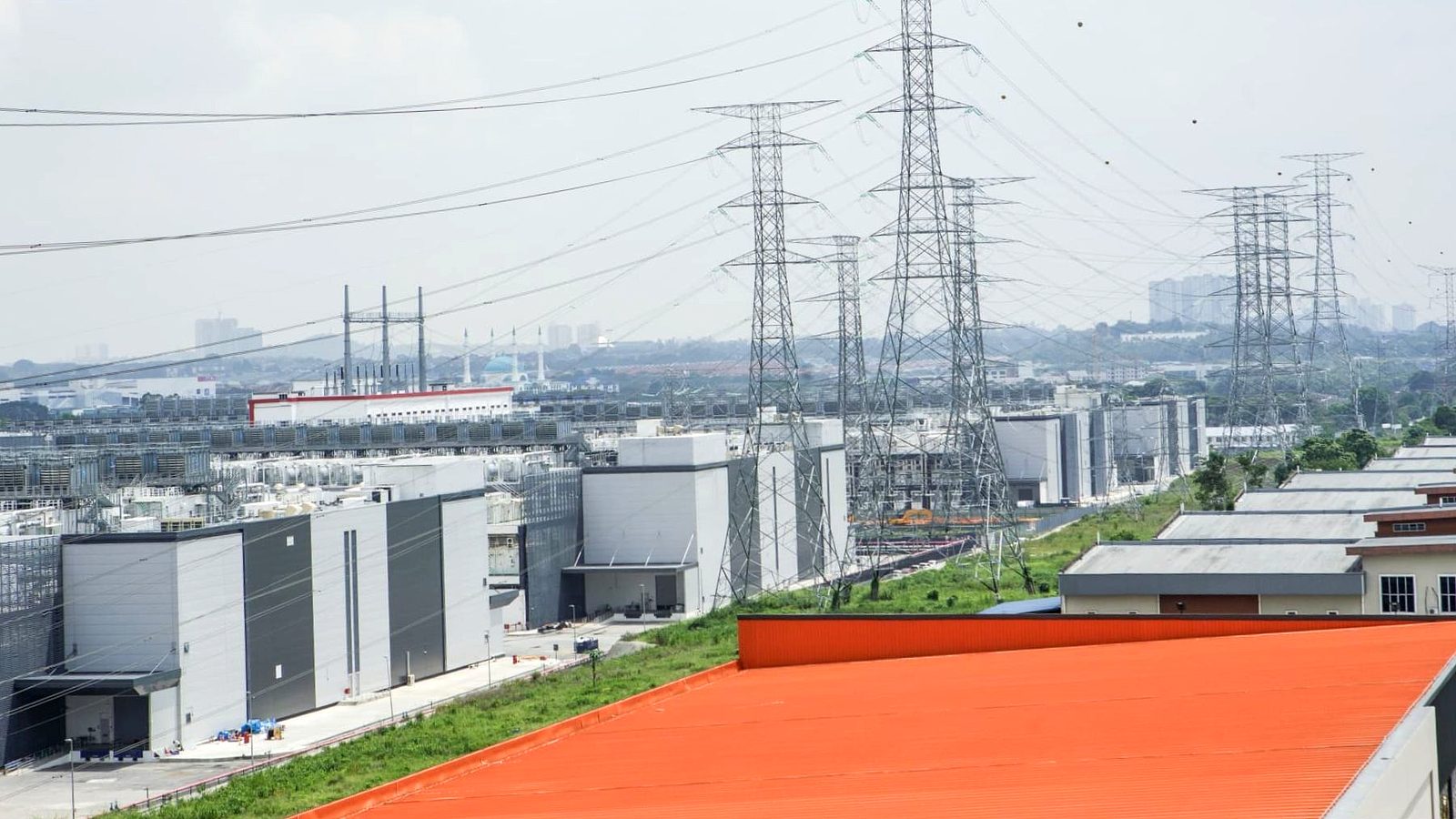
At the same time, part of the American public is wary of the technology. In the November 3 election, voters in several states approved a series of measures to slow the construction of data centers, facilities essential to running AI operations. Former U.S. Commerce Secretary and former Rhode Island Governor Gina Raimondo called the result "a very worrying sign" and said that slowing AI's advance "would be very bad for the United States" and for the very voters who supported those measures. Warsh did not indicate whether he shares that assessment.
The parallel with the "China shock"
During the event, Warsh repeatedly returned to a historical comparison: the so-called "China shock," the phenomenon observed after the country's entry into the World Trade Organization in 2001, when the mass shift to low-cost manufacturing rapidly lowered prices for clothing and furniture in the United States, but also caused an estimated loss of 1 million manufacturing jobs and 2.4 million jobs overall, according to a widely cited estimate.
For Warsh, the widespread adoption of AI could produce a similar effect, this time concentrated in the services sector, with the technology performing administrative or legal tasks at lower costs than a human worker — which would lower prices but also eliminate jobs. When Warsh asked panelists whether it would be reasonable to expect a medium-term disinflation process resulting from this AI effect on services, he received responses that generally considered the scenario plausible.
The working group still needs to consolidate its findings into a report to be delivered to Warsh in the coming months, which will then be discussed by the Fed's board before any monetary policy decision.
The episode exposes the dilemma facing the Fed: in the short term, billions of dollars in AI infrastructure investment are pushing prices upward, favoring a rate hike; in the long term, if the technology lowers the cost of services as Warsh predicts, the natural path would be a cut. Balancing these two horizons, with a technology advancing faster than the ability to measure it, could become the biggest test of Warsh's leadership at the helm of the central bank.