Rising Diesel Prices Push UK Inflation to Highest Level in a Year
Fuel prices climb 33.2% over 12 months, driving index to 3.6% in October
By AmeriNews Newsroom ·
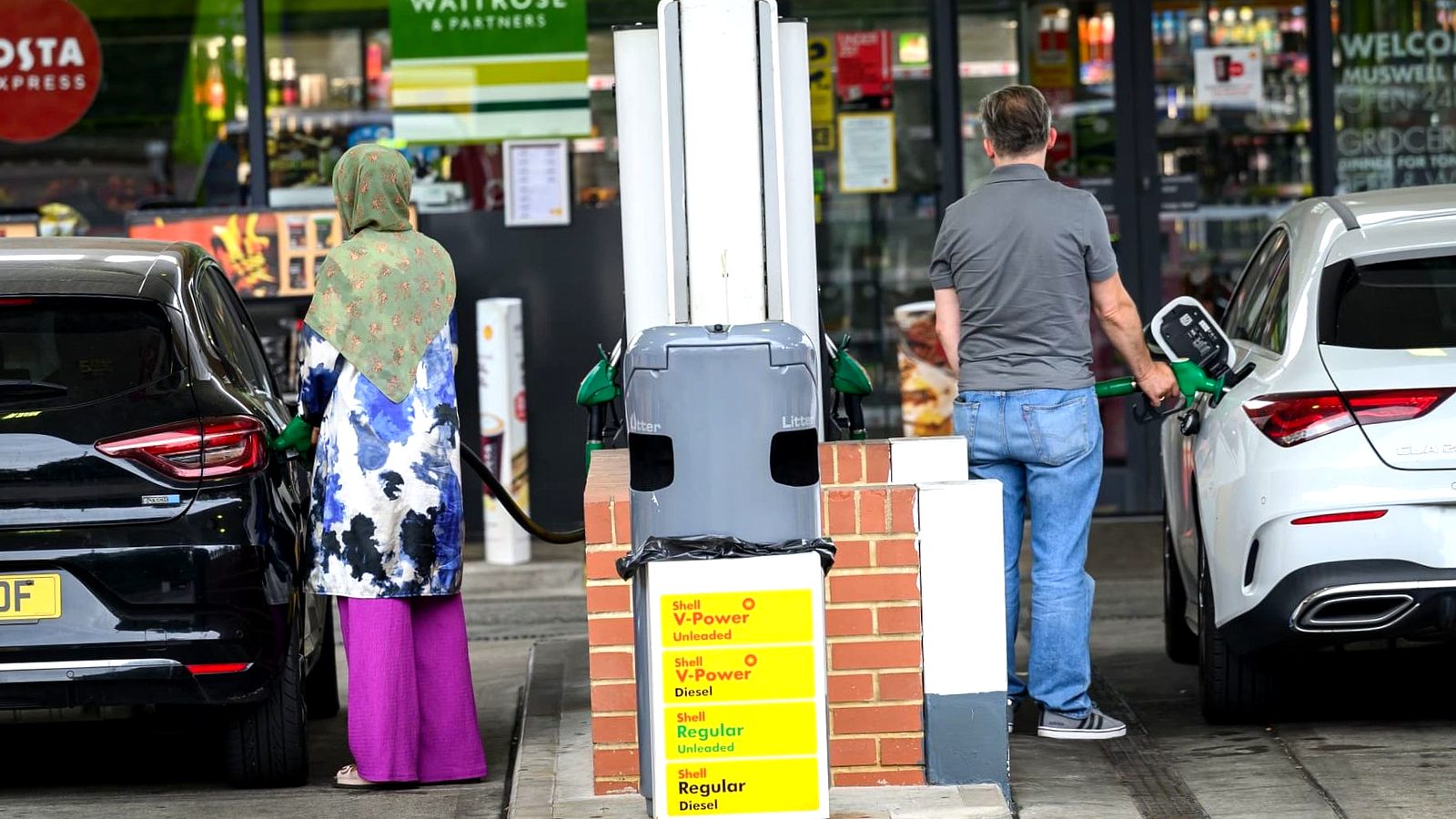
UK inflation rose to 3.6% in the 12 months through October, the highest level in a year, driven by escalating fuel prices. The figure matched projections from economists polled by Reuters and represented an increase from the 3.5% recorded in September.
According to the UK's Office for National Statistics (ONS), the main factor behind the acceleration was the cost of motor fuel, which rose 33.2% year-on-year — the sharpest annual increase since July 2022, a period marked by soaring energy costs following Russia's full-scale invasion of Ukraine. The UK is a net energy importer, leaving it exposed to external shocks, such as the one caused by trade disruption in the Strait of Hormuz. Oil prices have already retreated from their wartime peaks, which topped $100 a barrel, but remain elevated.
Diesel at Highest Value Since 1996
The ONS reported on Wednesday that the average price of gasoline rose 5.2 pence (7 US cents) per liter between September and October this year, compared with an increase of just 0.7 pence per liter in the same period last year. As a result, the average price of gasoline reached 174.7 pence per liter in October, the highest level since August 2022.
Diesel, meanwhile, rose 7 pence per liter in October, with the average price reaching 199.5 pence per liter — the highest value since the ONS began keeping records in 1996.
The war between the United States and Iran has been driving up energy costs across several of the world's leading economies. In the United States, the price of diesel reached $6 a gallon in September, for the first time in history. Since the conflict between the two countries began in late February, British inflation has surged again after a brief dip that resulted from an energy price cap that had been revised upward in July.
The rise in inflation adds further pressure to British households' budgets and keeps energy costs at the center of monetary policy attention, even as oil prices today remain far from the peaks seen during the height of the conflict.