US Loses Measles Elimination Status After 26 Years, PAHO Says
Country has already logged more than 5,400 cases in 2026, with outbreaks in Pennsylvania, Utah, Wisconsin and South Carolina; Florida is among the states with cases
By AmeriNews Newsroom ·
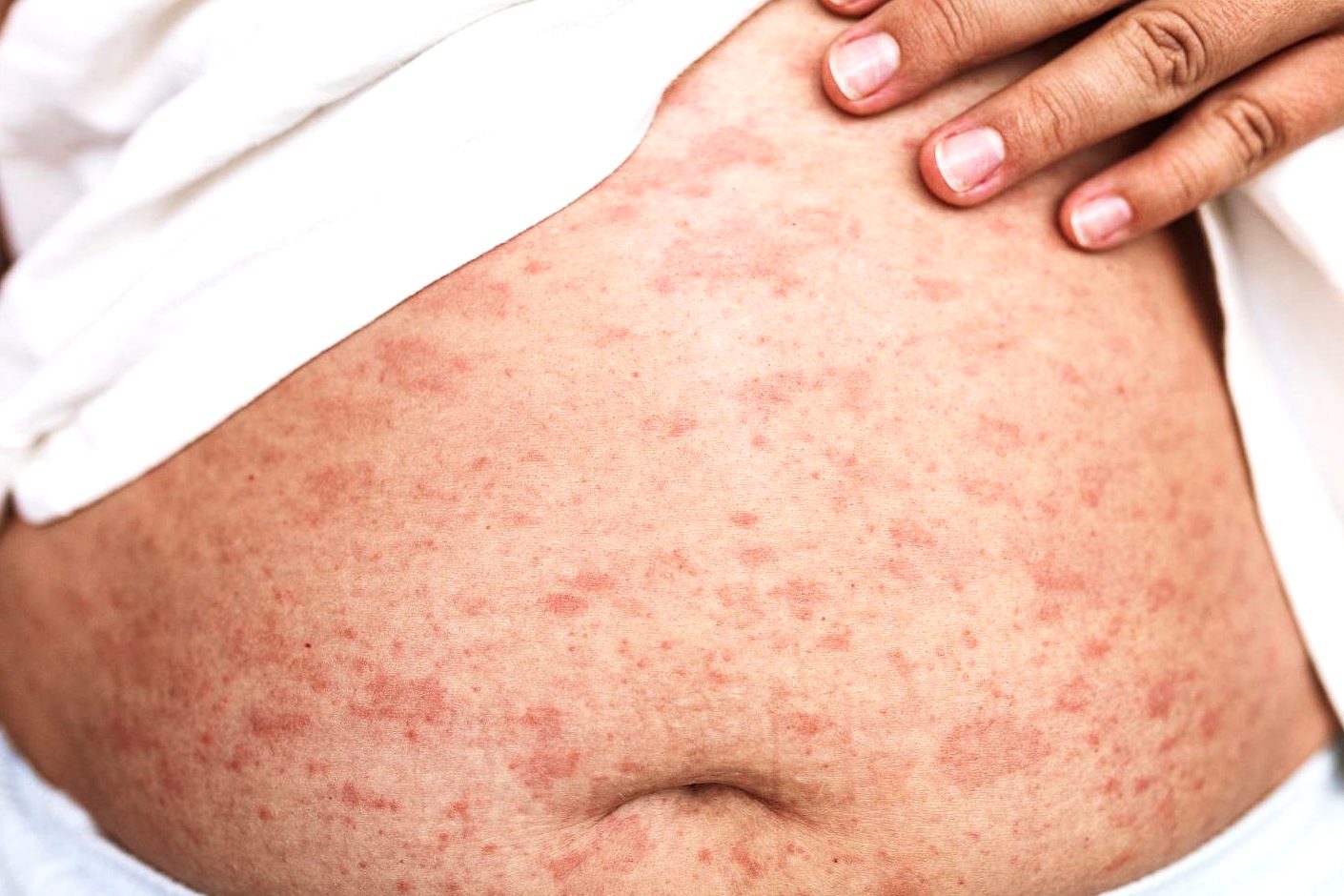
The United States lost, on Tuesday (11/17), the measles elimination status it had held since 2000, after the Pan American Health Organization (PAHO) found that the disease has been spreading continuously in the country for more than 12 months. As a result, measles is once again classified as endemic in US territory after 26 years.
PAHO Director Jarbas Barbosa announced the change at a press conference and said the numbers "are a serious warning for our region." According to the organization, which is affiliated with the World Health Organization, the Americas have already recorded about 58,000 measles cases in 2026, well above the fewer than 15,000 tallied in 2025. In addition to the United States, Mexico also had its elimination status revoked this week; Canada had already lost the classification in 2025.
The news raised concern among experts interviewed by TODAY.com. William Schaffner, a professor of infectious diseases at Vanderbilt University School of Medicine, compared the situation to a decline in performance: "We were the world leaders demonstrating that measles could be eliminated, and now we've backslid. It's like getting a report card: years ago, we had an A. Now, we have an F." Noel Brewer, a professor of public health at the University of North Carolina at Chapel Hill, told NBC News that the country "has an extraordinary problem with measles," having recorded more cases in the last 18 months than in the previous 25 years combined.
In a post on X, US Health Secretary Robert F. Kennedy Jr. said the government would "stop the measles outbreaks, protect American families and work to regain elimination status," reinforcing the recommendation for the MMR vaccine as the most effective form of prevention. He attributed part of the problem to delays in childhood vaccination schedules caused by the COVID-19 pandemic. Kennedy had previously said that immunity from the measles vaccine "wanes quickly," a claim disputed by experts — among them Paul Offit, director of the Vaccine Education Center at Children's Hospital of Philadelphia, who told NBC News that the disease's elimination in the country was only possible because immunity does not easily fade.
Cases spread across nearly the entire country
According to the CDC, as of November 12, 5,412 measles cases had been confirmed in the country since the start of 2026, with 591 hospitalizations. As of November 17, state health departments had reported ten deaths associated with the disease — seven in Pennsylvania, two in Wisconsin and one in New York — while the CDC has officially confirmed six deaths so far. At least 45 states and the District of Columbia have recorded cases in 2026, including Florida, as well as Texas, New York, California and Pennsylvania.
Pennsylvania has the highest number of cases in the country, with 1,542 recorded as of November 13, and is also home to the largest active outbreak. South Carolina, Utah and Wisconsin have also each surpassed 500 cases. Only five states have recorded no cases in 2026: Arkansas, Hawaii, Mississippi, Nevada and New Hampshire. The CDC has already confirmed 43 distinct outbreaks nationwide this year, and children and teenagers account for a large share of the cases — according to Schaffner, about one in ten infected children needs to be hospitalized. Evan Shirey, a pediatric infectious disease specialist in Pennsylvania, told TODAY, "We're seeing this outbreak because of a failure in vaccination. This virus is very serious. It can be fatal, it can cause a lot of pain and a lot of suffering, and I see that every day."
Drop in vaccination explains rise in cases
The measles, mumps and rubella (MMR) vaccine, given in two doses between 12-15 months and 4-6 years of age, is 97% effective against measles, according to the CDC. Herd immunity holds when more than 95% of a community is vaccinated, a threshold that has been slipping in the country: in the 2025-2026 school year, only 92% of children entering kindergarten had received the vaccine. Among confirmed cases in 2026, only 2% occurred in people who had received both doses of the vaccine, and there is no record of a measles death among fully vaccinated, otherwise healthy adults. The CDC recommends that all children receive both doses of the MMR vaccine starting at 12 months, and Schaffner advises parents to consult with pediatricians and that adults with uncertain vaccination histories get an additional dose, which carries no health risk.