Dark Circles: Dermatologists Explain Causes and How to Treat Them
Experts interviewed by NBC News point to ingredients, habits and procedures that help reduce the tired look around the eyes
By AmeriNews Newsroom ·
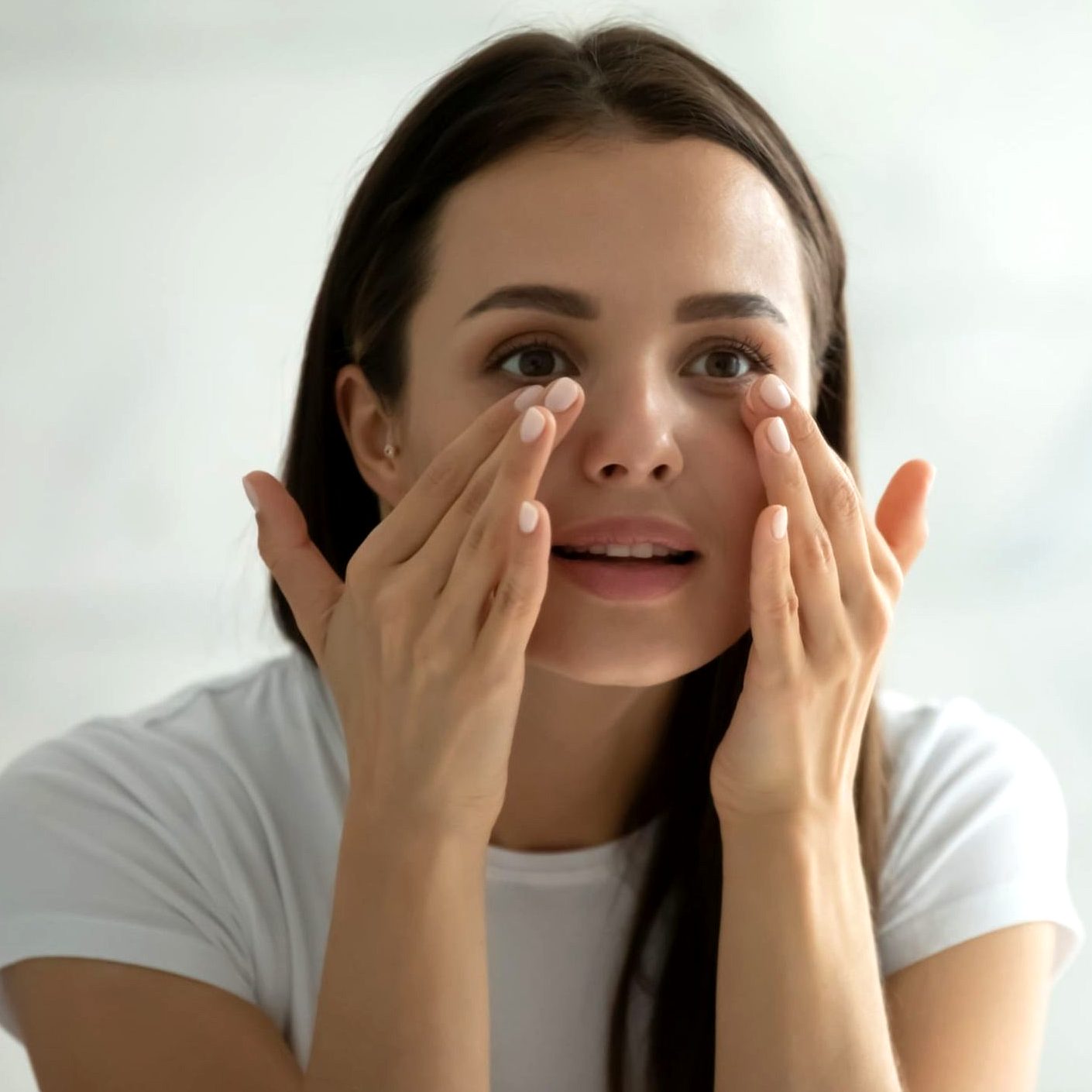
Dark circles aren't caused only by everyday stress or lack of sleep. According to dermatologists interviewed by NBC News, factors such as genetics, dehydration and the natural aging process also contribute to the darkening of the under-eye area, which makes the problem harder to treat permanently.
Dermatologist Marisa Garshick, of MDCS Dermatology in New York, explains that dark circles result from a combination of under-eye puffiness, volume loss, hyperpigmentation and greater visibility of blood vessels in the area. According to her, cosmetic procedures such as injectable fillers tend to offer longer-lasting results, but over-the-counter products can also reduce the darkened appearance of the skin over time.
Ingredients recommended by experts
Dermatologists such as Nkem Ugonabo, of Union Derm, and Heidi Waldorf, of Waldorf Dermatology Aesthetics, cite some ingredients with the strongest backing for treating the area:
- Retinol, which stimulates collagen production and helps firm the skin
- Vitamin C, used to brighten the area and reduce redness
- Hyaluronic acid and glycerin, which hydrate and soften fine lines
- Caffeine, recommended to reduce puffiness and redness
- Niacinamide and peptides, which help even out skin tone
Garshick also notes that refrigerated products or those with metal applicators have an extra effect, since the cold constricts blood vessels and temporarily reduces under-eye puffiness.
Habits that make a difference
Small daily habits also influence the outcome. Dermatologist David Rayhan, of Rayhan Dermatology, says that constant friction from regular pillowcases against the skin can encourage pigment production in the eyelid, which is why he recommends silk pillowcases, which reduce that friction. He also warns that makeup-removing wipes that require rubbing to take off eye makeup can cause redness and worsen hyperpigmentation. Daily use of sunscreen, including on the eyelids, is another point raised by Rayhan and Garshick, since sun damage can worsen volume loss and darkening in the area over time.
Procedures for more persistent cases
When the cause is volume loss, which creates shadows under the eyes, Rayhan points to hyaluronic acid fillers or lower blepharoplasty as more effective options. Thinning skin and blood pooling in the area, meanwhile, can be treated with CO2 resurfacing laser, while chemical peels applied by professionals help treat hyperpigmentation, according to Garshick.
Rayhan notes that completely eliminating dark circles is rare, since they usually have multiple simultaneous causes. For that reason, according to the experts, combining different approaches — from consistent sunscreen use to sleep habits and products with the ingredients mentioned — tends to bring the best results over time.