Budapest May Be Europe's Next Hub for Digital Nomads
With 12% of office space empty in the Hungarian capital, coworking spaces are investing in community and events to retain members
By AmeriNews Newsroom ·
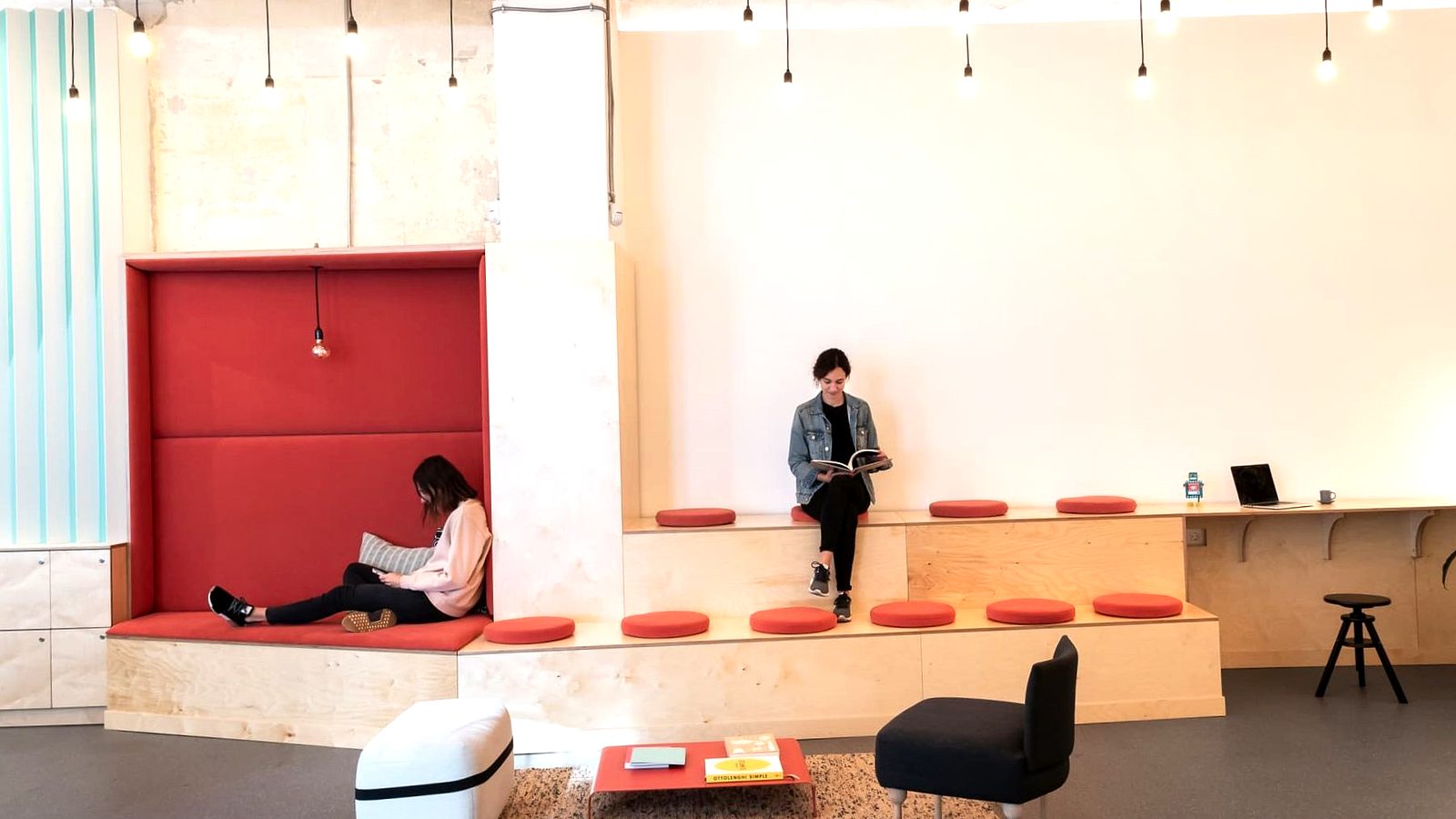
Budapest has been gaining ground on the radar of digital nomads, but the shared office sector in the Hungarian capital still faces a familiar obstacle: high vacancy in the city's corporate real estate market.
Vacancy puts pressure on the sector
According to consultancy Cushman and Wakefield, 12% of Budapest's office stock is currently unoccupied. This surplus of traditional office space, often offered at lower prices, becomes a direct competitor for coworking spaces like Kubik. For the space's manager, Mocsár, recruiting new members is one of the sector's main challenges, since, in her words, "coworking is closely tied to the office market, and Budapest has a huge amount of office space, much of it empty."
Events to keep the community engaged
At Create26, the strategy relies on a constant schedule of events as a way to keep members loyal to the space. The venue frequently hosts meetups for Budapest's Claude artificial intelligence community and maintains a close partnership with the nonprofit Startup Hungary, promoting workshops on building and scaling AI projects, as well as guidance on how to approach investors. "It's a complete package," summed up Create26 general manager Seloua Benkaid Kasbah. "You're not just there working alone at your desk, you also end up having lunch next to professionals from big companies... and, in the evening, attending an event with founders and investors," she described.
Fixed points instead of constant nomadism
Mocsár believes remote work "is here to stay" among professionals, but questions whether it makes sense to live in constant movement. According to her, the observed trend is that people are starting to keep a few fixed points around the world — places they return to from time to time, where they find familiar faces and a sense of belonging. For the executive, coworking spaces can play a relevant role in that kind of routine.
Despite its popularity among digital nomads, the flexible office segment is still in its early stages in Budapest, accounting for just 1.7% to 1.8% of the city's total office stock, according to Cushman and Wakefield. In the consultancy's Global Trends in Flexible Office 2026 report, Hungary ranks 31st among 40 countries evaluated — behind Spain and Portugal, but ahead of Italy and Canada. The Coworking Hungary Association, meanwhile, considers flexible solutions "one of the most significant opportunities in the coming years" for the sector.
For anyone considering living as a digital nomad in Hungary, Vindisch's recommendation is to treat the experience as a life change, not a passing visit, settling bureaucratic matters like opening a bank account and residency documentation in advance. "More importantly," she said, is arriving willing to embrace and integrate into a culture she considers uniquely beautiful.
With high vacancy putting pressure on prices for conventional offices and a flexible-space market still below 2% of total stock, Budapest is moving slowly but steadily toward establishing itself as a European alternative to already-traditional destinations for remote workers — a trend that is likely to gain momentum if the city expands its coworking offerings without losing the sense of community that today sets it apart from large, empty corporate floors.