With Jensen Huang Out, Colette Kress Reaffirms Nvidia's Central Role in AI
In her first public appearance as interim CEO, the executive told analysts that customers and suppliers remain committed to the company after better-than-expected earnings
By AmeriNews Newsroom ·
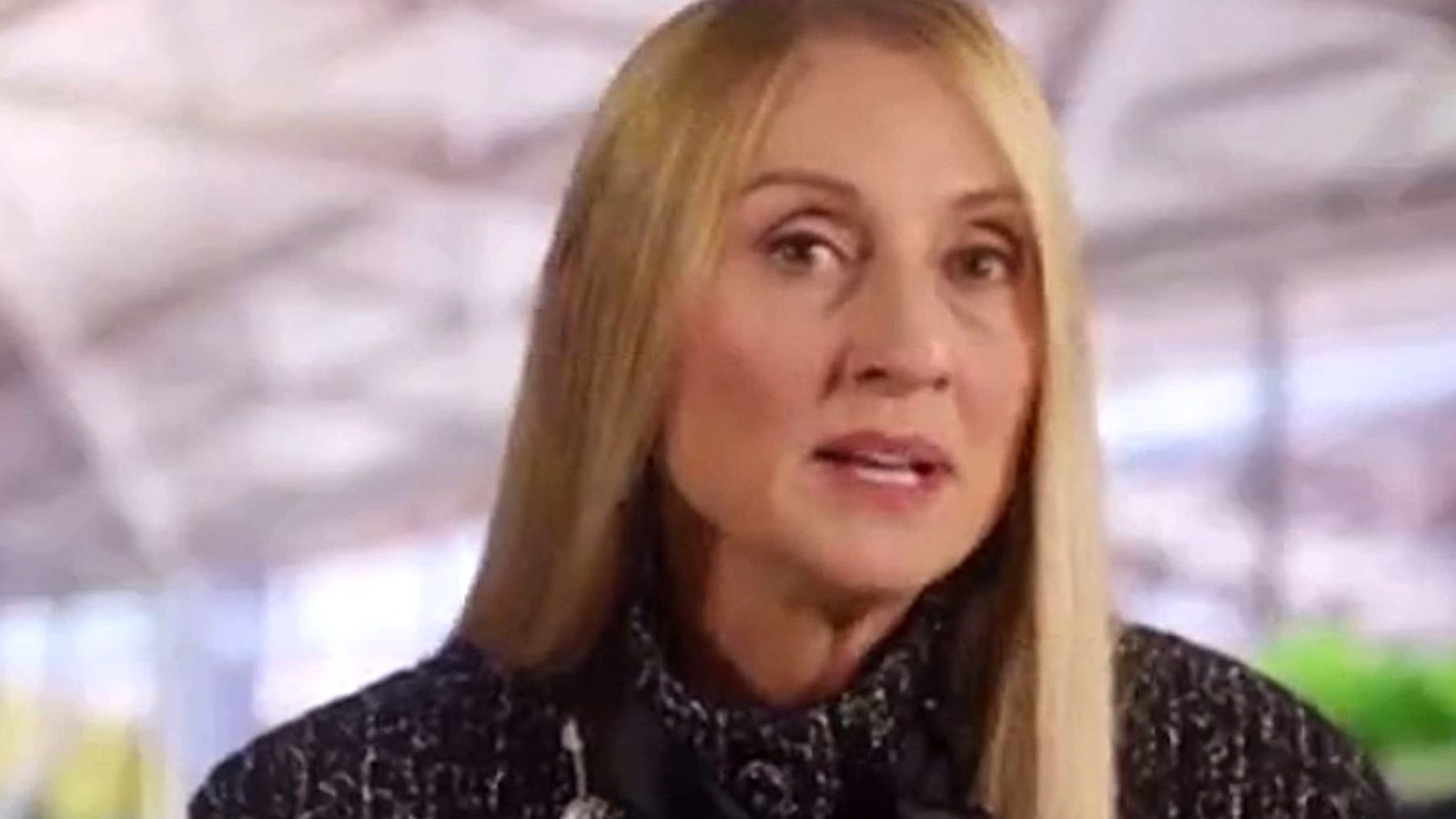
Five days after Jensen Huang stepped down from leading Nvidia, the company he co-founded 33 years ago, executive Colette Kress made her first public appearance as interim CEO. The occasion was the company's quarterly earnings call on Tuesday, closely watched by shareholders and analysts looking for signs about the business's future.
The results came in above market expectations, and Kress used the moment to reassure Wall Street, at least for now. According to her, customers remain fully committed to Nvidia and there is no sign of any pullback in demand. The executive also mentioned that leaders from Taiwan Semiconductor Manufacturing Company, Nvidia's main supplier, visited the company's offices during the week.
“We've talked to our customers, to our suppliers, to our partners, and they are all 100% behind us,” Kress said during the call with analysts. “Customers have expressed support for our business outlook and have been helping us get through this moment.”
Nvidia remains at the center of the AI ecosystem
Huang was a standout figure in the artificial intelligence industry, with a strong global presence. Even so, Nvidia remains the central piece of the AI ecosystem. Companies of all sizes, from traditional cloud providers and neoclouds to cutting-edge labs like OpenAI and Anthropic, continue to rely on the technology and capital the company provides.
Shares react, but the month is still in the red
Nvidia shares rose nearly 5% in after-hours trading on Tuesday, buoyed by the better-than-expected results and positive guidance for the coming months. Even so, the stock remains sharply lower for the month, down 24%, reflecting broader concerns: a possible slowdown in the expansion of artificial intelligence infrastructure, a political transition in Washington, and the company's own recent leadership instability.
The episode highlights a contrast that is likely to follow Nvidia in the coming weeks: on one hand, solid business fundamentals and a customer base that, according to the company itself, remains loyal; on the other, a leadership transition that still needs to convince the market that operational strength can withstand the absence of the executive who, for more than three decades, was the face of the company.